Source Recycled Clear Plastic Zipper Bag for Jewelry, Electronics, and Stationery
Find 30 options for recycled clear plastic zipper bag solutions suitable for jewelry, electronics, and stationery packaging. Compare specifications including PVC material, self-sealing locks, and custom printing to identify the right supplier for your bulk sourcing needs; compare the available evidence and request quotations based on your requirements.
Key considerations
Products List
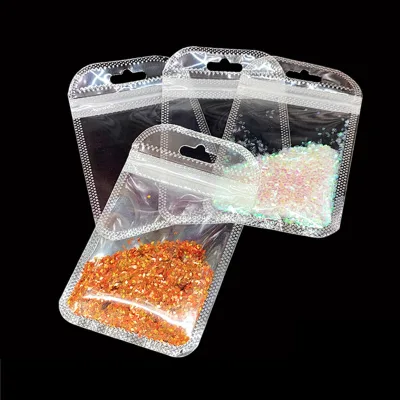


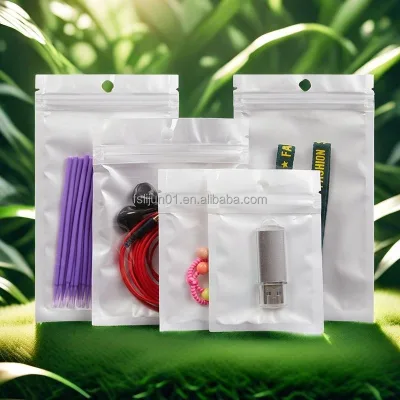


Comprehensive Sourcing Guide
Recycled Clear Plastic Zipper Bag Sourcing Guide
Procurement teams must first distinguish between single-use and reusable variants when sourcing recycled clear plastic zipper bags, as the supplied data indicates a market split between disposable food packaging and durable storage solutions. While some listings highlight bio-degradable and recyclable features for food applications like whey and nuts, other entries emphasize heavy-duty attributes such as antistatic properties and shock resistance for electronics and jewelry. Buyers should verify whether the specific batch they intend to purchase aligns with their intended end-use, as the material composition and structural integrity requirements differ significantly between these two distinct product categories.
The observed product range reveals a wide spectrum of customization capabilities, including options for custom logos, specific sizes, and various printing methods like silk screen or pad printing. Suppliers in the region offer extensive size variations, ranging from compact 4.5x9cm pouches to larger 7x40cm formats, alongside flexible thickness options that can be tailored to client requests. This flexibility allows buyers to select bags that fit precise inventory needs, but it also necessitates a rigorous review of the technical specifications to ensure the selected dimensions and closure types, such as self-sealing zippers or heat seals, meet the functional demands of the final product.
Product Scope and Observed Listing Signals
Buyers should analyze the listing signals to identify the specific material structure, as the data presents both clear PVC plastic and composite materials involving cotton paper, PET, and nylon. The presence of "Clear PVC Plastic" suggests a focus on transparency for jewelry and electronics, whereas listings mentioning "High Pressure Polyethylene" or composite structures often target food packaging applications requiring moisture and oil resistance. Understanding this material divergence is critical, as PVC and polyethylene offer different barrier properties and recycling profiles that will impact both the product performance and the sustainability claims made by the supplier.
The observed product scope also includes diverse sealing mechanisms, ranging from self-sealing zipper locks to heat-sealed edges and dot-pattern heat sealing. These variations dictate the usability of the bag for different industries; for instance, a self-sealing zipper is ideal for repeated access in jewelry or stationery, while a heat-sealed bottom or side seal might be preferred for single-use food packaging to ensure airtight integrity. Procurement teams must match the sealing technology to the product's shelf-life requirements and handling conditions, ensuring the chosen bag type prevents leakage or contamination during transport and storage.
Technical Specifications to Verify
Verification of thickness and dimensional accuracy is paramount, as the data shows a specific thickness of 0.12 mm for certain models while other entries allow for custom thickness requests. Buyers must confirm the exact millimeter rating for their order, as this directly influences the bag's durability, puncture resistance, and ability to protect sensitive items like electronics or heavy dry foods. Inconsistent thickness can lead to product failure, so it is essential to request physical samples that match the specified dimensions, such as the 4.5x18.5cm or 7x34cm variants, to validate the manufacturing consistency before committing to a large volume order.
The sealing length and closure type require precise validation to ensure the bag performs as intended under stress. Listings indicate a sealing length of 3 cm for some models, while others feature a double-sided transparent style with a zipper top or a square bottom design. Buyers should test the sealing strength and the zipper lock mechanism to confirm they can withstand the weight of the contents without failing. Additionally, the edge sealing method, described as a dot pattern heat seal, must be inspected to ensure it provides a uniform seal that prevents air or moisture ingress, which is crucial for food safety and product longevity.
Compliance and Safety Documentation
Sourcing teams must demand comprehensive certification documentation, as the provided facts list ISO9001, BRC-IOP, HACCP, and QS standards as available credentials for certain suppliers. These certifications are particularly relevant for buyers targeting the food industry, where compliance with safety standards like HACCP and BRC-IOP is mandatory to ensure the packaging does not contaminate consumables like whey, candy, or nuts. Procurement professionals should verify that the specific factory producing their order holds these active certifications and that the documentation covers the exact material batch being supplied, rather than relying on general company claims.
Safety documentation must also address the environmental and chemical properties of the plastic, given the conflicting claims of bio-degradability and recyclability alongside standard plastic types. While some listings explicitly state the product is bio-degradable and recyclable, others describe high-pressure polyethylene or PVC without these specific environmental attributes. Buyers should request third-party test reports that confirm the material's compliance with local environmental regulations and verify the specific claims regarding moisture proofing, antistatic properties, and shock resistance to ensure the packaging meets both safety and sustainability mandates.
Cost Drivers and Commercial Terms
The cost of recycled clear plastic zipper bags is heavily influenced by the complexity of customization, including the number of colors, printing methods, and specific size requirements. Listings indicate a maximum of 10 colors and options for silk screen or pad printing, which can increase production costs compared to standard unprinted bags. Buyers should negotiate based on the volume of custom elements, as each additional color or unique size specification adds to the setup and material costs, making it essential to balance aesthetic requirements with budget constraints to achieve the most economical solution.
Commercial terms regarding minimum order quantities and lead times vary significantly across the observed listings, with MOQs ranging from 2 to 100,000 units and delivery times estimated at 18 to 25 days depending on quantity. Procurement planners must align their order volume with the supplier's capacity to avoid delays, as larger orders may extend the lead time beyond the standard window. Additionally, the packaging method, described as PE bag plus carton and pallet, should be factored into the total landed cost, as improper packaging can lead to damage during transit, necessitating clear agreements on shipping and handling responsibilities.
Supplier Qualification and Quality Control
Supplier qualification should focus on verifying the origin and manufacturing capabilities, as the data points to production in Shandong and Guangdong, China, with varying material structures. Buyers must confirm that the supplier has the specific machinery to produce the requested material, whether it is clear PVC or composite packaging, and that they can consistently deliver the required thickness and sealing quality. It is advisable to audit the supplier's production line to ensure they can handle the specific customization requests, such as the double-sided transparent style or the square bottom bag variety, without compromising on quality.
Quality control protocols must be established to monitor the consistency of the sealing and printing processes, which are critical for brand integrity and product safety. The data mentions surface handling like screen printing and specific sealing techniques, which require strict quality checks to prevent defects like uneven seals or misaligned logos. Buyers should implement a rigorous inspection plan that includes sampling for tensile strength, seal integrity, and print clarity, ensuring that the final product meets the agreed-upon specifications for industrial use in promotion, gifts, or electronics packaging.
Long-Term Procurement Checks
Long-term procurement strategies should include regular re-verification of material composition and environmental claims to ensure they remain consistent with evolving regulations and sustainability goals. As the market shifts towards more eco-friendly packaging, buyers must continuously assess whether the bio-degradable and recyclable claims of their current suppliers remain valid and supported by up-to-date testing data. This proactive approach helps mitigate the risk of supply chain disruptions caused by regulatory changes or shifts in consumer expectations regarding plastic usage and waste management.
Establishing a robust relationship with suppliers involves monitoring their ability to scale production and maintain quality over time, especially given the wide range of sizes and customization options available. Buyers should schedule periodic reviews of the supplier's performance, focusing on delivery reliability, defect rates, and responsiveness to custom requests. By maintaining open communication and setting clear performance benchmarks, procurement teams can ensure a steady supply of high-quality recycled clear plastic zipper bags that meet the dynamic needs of their specific industry applications.
FAQs
Can these bags be customized with a logo?
Yes, the bags accept custom logos and printing. You can choose from silk screen or pad printing methods. The material is clear PVC plastic, allowing for double-sided transparent visibility. Custom sizes are also available to meet specific packaging requirements for jewelry or electronics.
What is the thickness of the clear PVC bags?
The standard thickness for these clear PVC zipper bags is 0.12 mm. This specification ensures durability while maintaining flexibility. The bags feature a self-sealing zipper lock and dot pattern heat-sealed edges. This thickness provides adequate protection for accessories and stationery items during storage and transport.
What certifications do the manufacturers hold?
Manufacturers hold ISO9001, Brc-Iop, Hacpp, and QS certifications. These credentials verify quality management and safety standards for production. The bags are made from high-pressure polyethylene or PVC materials. Such certifications ensure that the packaging meets international requirements for food and industrial use applications.
What is the typical lead time for orders?
The typical delivery time is 18 to 25 days. This duration depends on the specific quantity ordered by the buyer. Production follows a composite packaging bag making process. Buyers should account for this timeframe when planning inventory for jewelry, electronics, or dry food packaging needs.
Are these bags recyclable and reusable?
Yes, the bags are designed to be reusable and recyclable. They feature a self-sealing zipper lock for repeated opening and closing. The material structure is clear PVC plastic, which supports sustainability goals. This makes them suitable for promoting eco-friendly practices in jewelry, electronics, and stationery packaging sectors.
What sizes are available for these zipper bags?
Multiple sizes are available, including 4.5x18.5cm and 7x40cm. Specific dimensions like 130mm width by 205mm height are also offered. Buyers can request custom sizes to fit their products. The variety supports applications ranging from small accessories to larger electronics or dry food items requiring secure sealing.